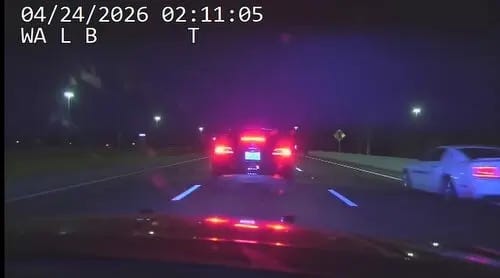
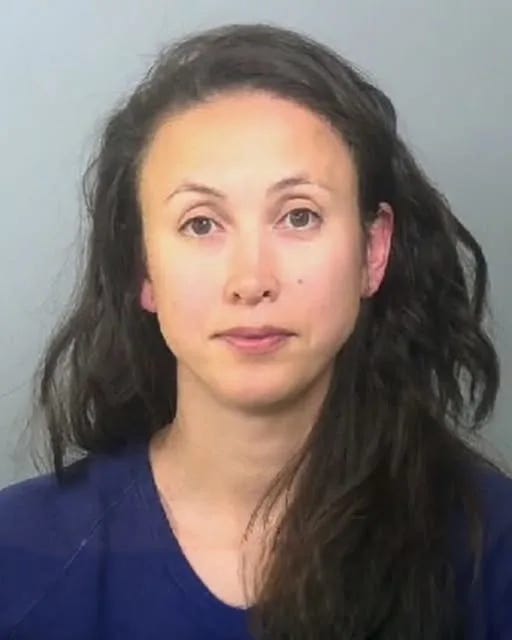
A Florida DUI case is drawing attention to widespread misunderstandings about driver-assist technology after a motorist was found asleep behind the wheel of a Tesla stopped in an active lane of Interstate 75.
According to authorities, 37-year-old Kimberly Brown was discovered around 2 a.m. on April 24 in the middle lane of southbound I-75 near mile marker 217. Troopers reported the vehicle was not pulled onto the shoulder but instead remained in a travel lane, creating a potential hazard for other drivers.
Investigators said the Tesla was operating with its Autopilot feature engaged at the time. However, officials emphasized that the system is designed to assist drivers, not replace them. The vehicle reportedly came to a stop after the driver failed to provide necessary input, ultimately halting in the roadway rather than moving to a safe location.
Brown was arrested and booked into the Manatee County Jail on a charge of driving under the influence.
Law enforcement officials continue to stress that driver-assist systems do not eliminate the responsibility of the person behind the wheel. Regardless of the technology in use, drivers are required to remain sober, awake, attentive, and in control of their vehicles at all times.
The case highlights ongoing confusion among the public about the capabilities of modern vehicle technology. While systems such as Autopilot, adaptive cruise control, and lane-keeping assistance can support certain driving functions, they are not fully autonomous and cannot serve as a substitute for a sober driver.
Authorities note that safety features may bring a vehicle to a stop if a driver becomes unresponsive, but those stops do not always occur in safe locations. In this case, the vehicle remained in an active travel lane, underscoring the limitations of current technology.
Officials continue to remind drivers that advanced vehicle systems are not a workaround for impaired driving and should not be relied upon as an alternative to making safe transportation decisions.