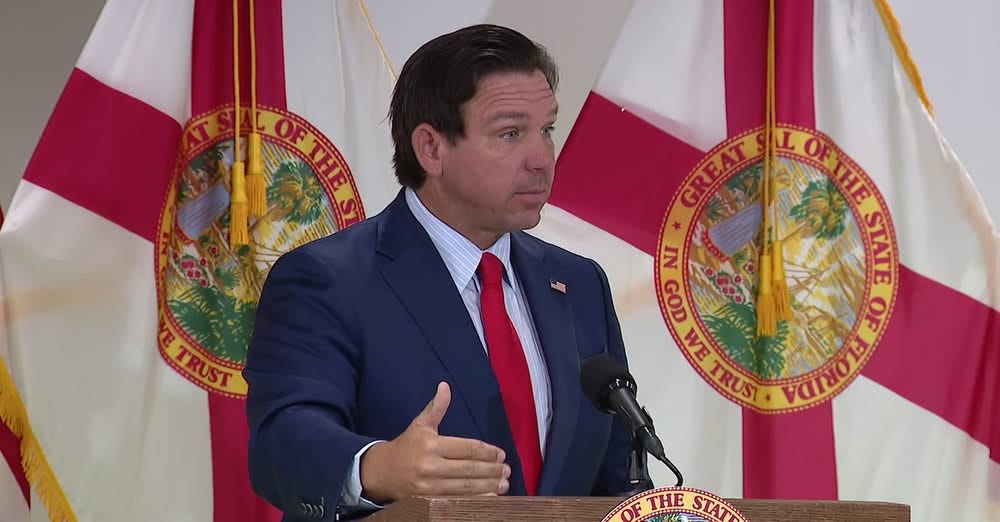
A state law expanding the authority of Schools of Hope charter schools is drawing renewed scrutiny from school district leaders, including Heather Felton, who continues to warn about the financial and operational consequences for traditional public schools.
The law, supported by Ron DeSantis, allows Schools of Hope—charter schools intended to serve students in persistently low-performing areas—to co-locate within existing public school campuses if the state determines there is unused classroom space. District officials across Florida say that determination often fails to reflect the realities inside schools.
Felton said the School District of Manatee County has analyzed the fiscal impact and found that hosting a Schools of Hope campus could cost the district more than $2,000 per student beyond current funding levels. She and other board members argue that districts are already operating under tight budgets and that the law could require them to subsidize charter schools managed by for-profit operators.
According to Felton, the state’s assessment of available space does not adequately account for classrooms serving students with significant needs. For example, she noted that some rooms labeled as available are already at capacity due to students who require large wheelchairs, personal aides, or on-site medical support, limiting the number of students who can be safely and effectively accommodated.
Supporters of the legislation, including the governor, say the intent of Schools of Hope is to expand educational options for families in struggling communities rather than disrupt schools that are already well-enrolled. DeSantis has stated that co-locating in available space is a practical approach and that Schools of Hope are not intended for campuses in higher-performing or more affluent areas.
The debate comes as districts statewide evaluate how the policy could affect staffing, special education services, and long-term planning. Education leaders have called for clearer standards on how available space is defined and for greater consideration of the full cost borne by school districts.
Additional reporting on the issue has also highlighted the roles of wealthy donors, campaign contributions, and lobbying efforts in shaping the Schools of Hope legislation, adding another layer of complexity to an already contentious education policy discussion.
As implementation of the law continues, local school boards, state officials, and charter operators remain divided over whether expanding Schools of Hope will strengthen educational opportunities or further strain public school systems.