
Manatee County commissioners are grappling with a $23.4 million budget shortfall tied to the ongoing cleanup of the former Piney Point phosphate plant, even as officials report significant progress toward permanently closing the troubled site.
The financial dispute is expected to take center stage during the Manatee County Commission meeting on June 16, when commissioners will seek clarification on state funding commitments and review the county’s contract with the operator of the deep well injection facility used to dispose of treated wastewater.
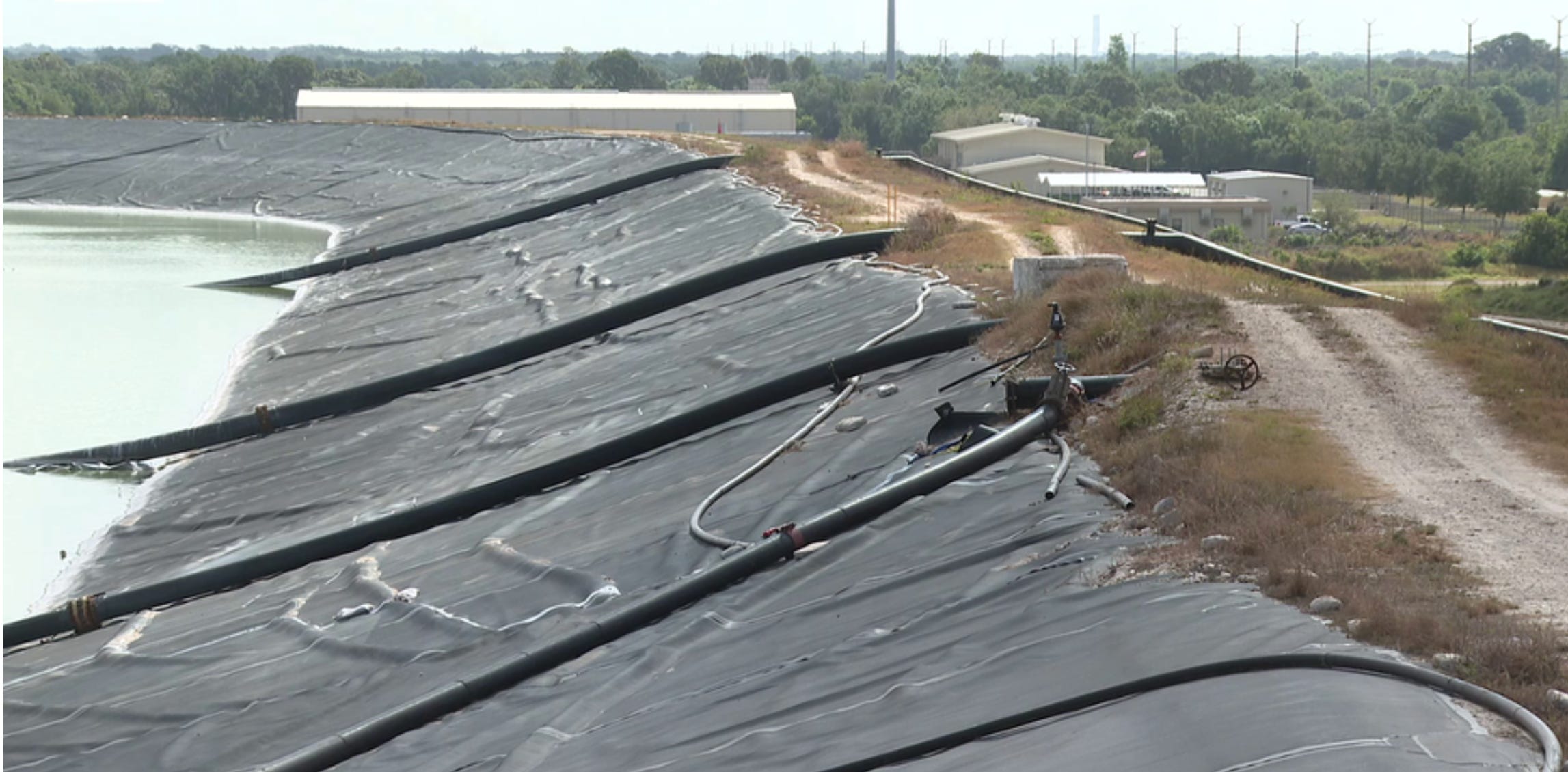
More than 400 million gallons of treated wastewater from Piney Point have been safely injected into a deep well disposal system, bringing the decades-old environmental problem closer to a permanent resolution. Officials say the receiving facility is nearing the completion of its role in processing the remaining contaminated water.
The Piney Point site drew national attention in 2021 when concerns over a breach in a wastewater containment pond led to the release of polluted water into Tampa Bay. Since then, state and local governments have spent hundreds of millions of dollars to stabilize and remediate the site.
Gov. Ron DeSantis initially redirected more than $15 million to begin emergency water treatment efforts, while the state later allocated an additional $100 million in federal relief funding to support the closure project. However, county officials say cleanup costs have exceeded original projections, leaving Manatee County taxpayers responsible for covering a substantial portion of the expenses.
The county’s general fund has absorbed the current $23.4 million deficit, prompting debate among commissioners about whether local taxpayers should continue bearing the financial burden for a disaster they did not create.
Some commissioners argue that Piney Point cleanup efforts fall outside the traditional responsibilities of county government and are concerned about the long-term impact on local finances. Others caution that disrupting the current closure process could jeopardize years of progress and potentially create new environmental risks.
The county originally acquired ownership of the deep well injection site to maintain oversight of what materials were being injected below the aquifer and to help protect local drinking water resources. Commissioners have expressed concerns that significant changes to the current management strategy could create unintended consequences given Piney Point’s history and environmental sensitivity.
While officials continue to work toward a permanent closure plan, uncertainty remains over whether the State of Florida will reimburse the county for the remaining costs or if local taxpayers will ultimately be responsible for the entire shortfall.
The June 16 commission meeting is expected to focus on funding options, state participation, and the future management of the deep well injection operation as Piney Point moves closer to its final phase of cleanup.
With the cost of the new generator they could have paid for half of it.