A mosquito-borne illness commonly associated with tropical regions is raising concerns across Florida, with more than 400 locally acquired cases of dengue fever reported statewide this year, including one confirmed case in Manatee County.
According to the Florida Department of Health, dengue fever cases have reached unusually high levels in 2026, prompting mosquito control officials to increase preventative efforts and encourage residents to take precautions against mosquito bites.
Dengue fever is a viral infection transmitted to humans through the bite of an infected mosquito. While the disease is more commonly associated with tropical and subtropical climates, locally acquired infections have become an increasing concern in Florida.
The Manatee County Mosquito Control District has been conducting preventative treatments throughout urban areas, including Bradenton and Palmetto, every two weeks. The treatments are designed to reduce mosquito populations in locations where dengue transmission is more likely to occur.
Christopher Lesser, director of the Manatee County Mosquito Control District, reported that mosquito populations in urban areas have remained relatively low over the past several months. However, the district continues its preventative operations as the Tampa Bay region experiences increased dengue activity.
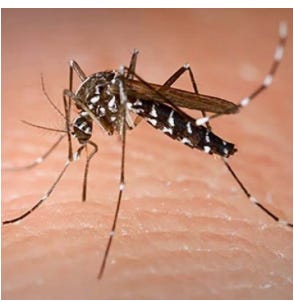
The Aedes aegypti mosquito, the species most commonly associated with transmitting dengue fever, is not particularly common in Manatee County. Nevertheless, health officials emphasize that residents should remain vigilant about mosquito-borne illnesses.
Neighboring Sarasota County has reported no locally acquired dengue fever cases so far this year.
Health experts explain that many individuals infected with dengue experience no symptoms. Those who develop symptoms may experience headaches, fatigue, muscle aches and skin rashes. More severe cases can lead to complications requiring medical attention.
Jacqueline Lebouitz, Program County Extension Agent I, specializing in Chemicals in the Environment, recommends several precautions to reduce exposure to mosquitoes. Residents are encouraged to wear light-colored, loose-fitting clothing, including long sleeves and pants, and apply EPA-registered insect repellents to exposed skin.
Residents can also help reduce mosquito breeding by regularly emptying containers that collect standing water, including flowerpots, buckets, birdbaths and other outdoor items. Mosquitoes capable of transmitting dengue can reproduce in small amounts of water commonly found around homes and businesses.
With dengue cases increasing statewide, mosquito control officials continue monitoring local conditions and implementing treatments to limit potential transmission.
Although only one case has been confirmed in Manatee County, health officials emphasize that community awareness, mosquito control efforts and personal protective measures remain essential to reducing the risk of additional infections.