Florida recorded a tragic and unprecedented 112 child drowning deaths in 2025, the highest total ever documented in state records and the most of any state in the nation. The alarming statistic has renewed urgency among lawmakers, safety advocates, and community organizations working to prevent childhood drownings.
In response, Orlando lawmaker Carlos Guillermo Smith has introduced a multi-bill legislative package focused on comprehensive drowning prevention. Smith said that even preventing a single drowning would make the effort worthwhile, emphasizing that the legislation is about saving lives and sparing families from devastating and lifelong trauma.
The proposed package would establish drowning-prevention education programs for new parents, expand swim lesson voucher programs for low-income families, and seek changes to Florida’s Residential Swimming Pool Safety Act of 2000. Current law requires safety barriers such as fencing for pools at homes built after 2000, but does not apply to older residences, leaving many children exposed to unprotected water hazards. Smith noted that beyond the raw number of deaths, Florida also leads the nation in the rate of child drownings, a distinction he said underscores the need for immediate action.
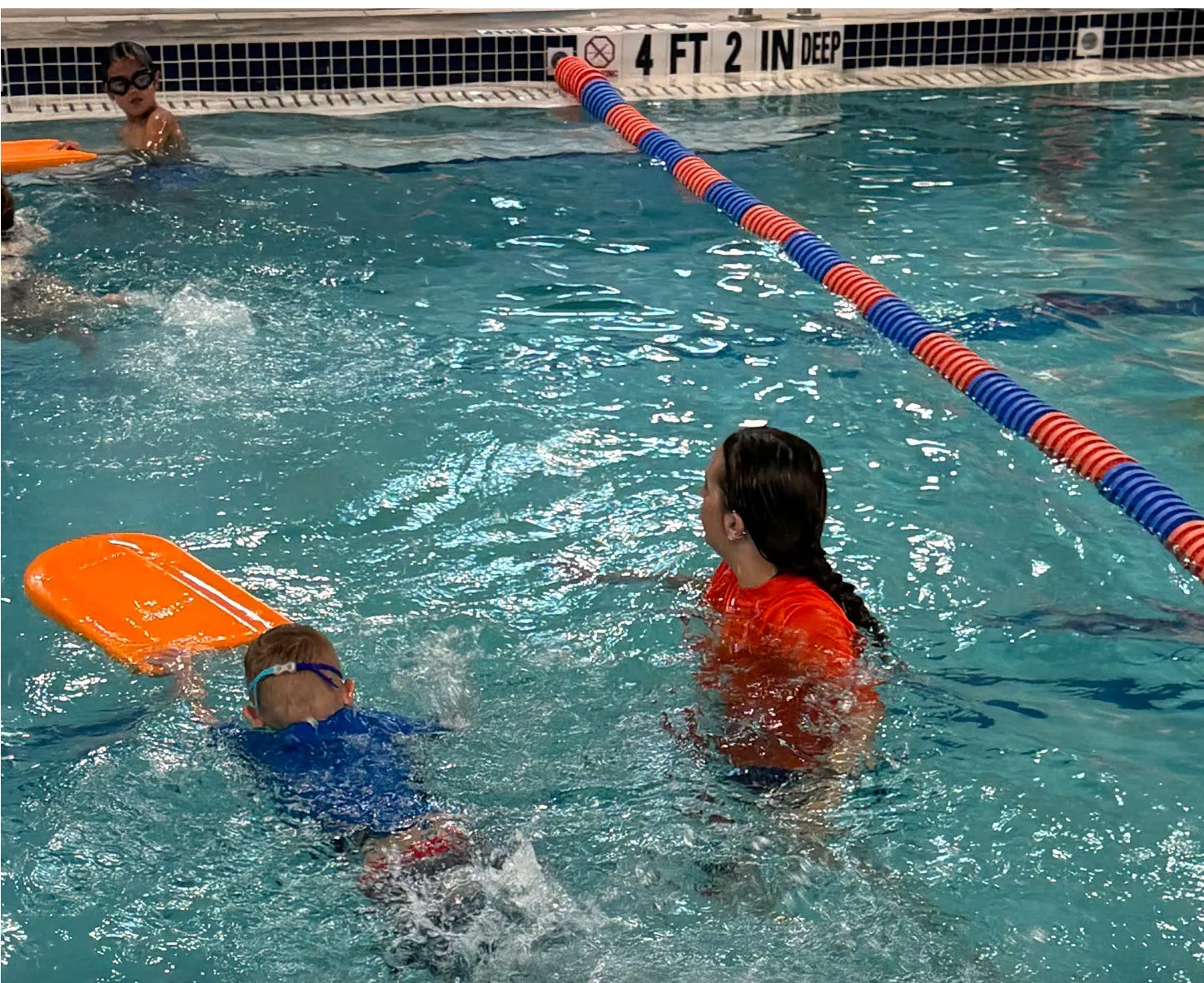
Swim professionals say early and ongoing swim instruction is one of the most effective tools for prevention. Lindsay Pursglove of SafeSplash Swim Schools said the data suggests many families face barriers to enrolling children in lessons, whether financial or access-related. She emphasized that swimming is not a one-time skill, noting that children and adults alike must practice consistently to maintain strength, confidence, and safety in the water.
Community organizations across the state are also working to address those barriers. Misty Ritch, founder of Big Dreams Through Small Steps, said the legislation aligns directly with grassroots efforts. Ritch said drowning is preventable, and that education, access, and awareness can change outcomes for families who might otherwise face unimaginable loss. She added that the bill represents a critical step toward making water safety a shared responsibility rather than a privilege.
Big Dreams Through Small Steps operates a drowning-prevention initiative that focuses on water-safety education, caregiver awareness, and increasing access to swim instruction for children who might not otherwise receive it. The program partners with community groups and local organizations to promote layered protection strategies, including supervision, swim skills, and safety education, especially for families with young children.
If approved during the upcoming legislative session, the multi-bill package would take effect July 1. Supporters say the combination of education, financial access to swim lessons, and stronger safety standards could significantly reduce the risk of future drownings and help Florida reverse a devastating and growing trend.